

























A+ Content · Brand Registry checked first
Amazon A+ Content Writing Services: Modules, Copy and Design
Amazon A+ content writing services plan, write and design the modules on a detail page, then check them before anything is uploaded. We start by confirming eligibility, because Brand Registry comes first, and then we agree the module plan in writing before design begins.
- 35,000+
- ASINs of working context across our desks. Not a client count, and not a result.
- One
- written module plan, agreed before any design starts
- Before upload
- claim, format, comparison, render and consent checks

The feature
What Is Amazon A+ Content?
A+ Content is the module area of an Amazon detail page. It carries more than the standard text description, and it lets a brand explain the product in a set order.
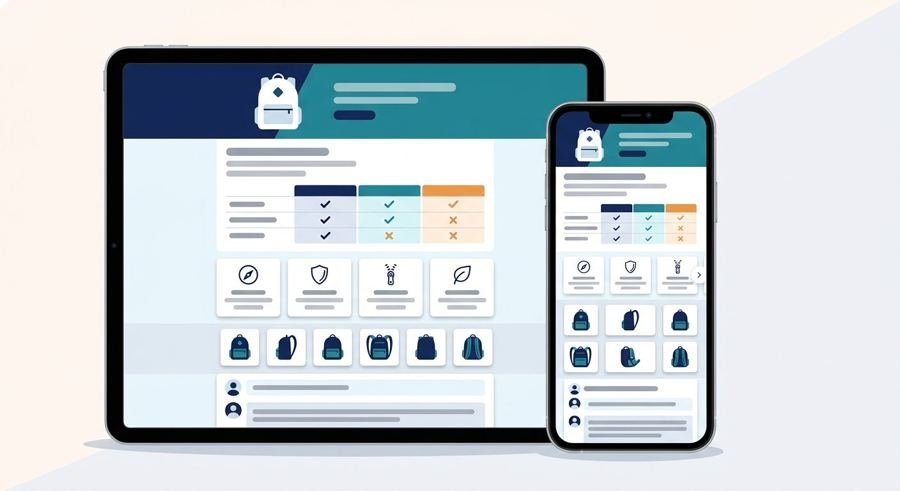
Amazon A+ content writing services cover the modules in that area: what each one says, the order they appear in, and the design that carries the message. A module set can include comparison charts, feature callouts, use-case images, a brand story and question-led sections. Each module answers a buyer question, and the plan records which question it is for.
Older materials call the feature Enhanced Brand Content, or EBC. Amazon has changed the name over time, so we confirm the current name in each module plan rather than rely on an older guide. The module plan is the same whichever name Amazon uses.
Premium A+ is a separate tier with more interactive modules. Access is decided by Amazon, and the section on Premium A+ below explains how that works.
- Comparison chart
- Feature stack
- Use-case strip
- Brand band
- Question list
- Premium frame
A well-planned set reads from top to bottom like a short argument. The brand band introduces the product line, the comparison grid answers the choice question, the feature stack covers the details, and the question list closes the points buyers raise most often. The order is set in the plan, so the brand sees it before any design work starts.
Eligibility
Who Can Create A+ Content?
Brand Registry comes first. We check the status before any module is planned, so the scope matches what the brand can publish.
Under Amazon's current rules, A+ Content is tied to Brand Registry. The trademark owner enrolls the brand. Amazon decides enrollment, and we do not decide it or speed it up.
A brand story also has to be published on the brand's own ASINs before Premium access can be considered. We check that during the readiness step and write down any gap.
For Brand Registry steps, see our Brand Registry services page.
Eligibility at a glance
- Brand Registry, enrolled by the trademark ownerChecked first
- Brand story published on brand-owned ASINsChecked first
- Premium A+ access, granted by Amazon each monthHold
Hold means the item waits for a decision from Amazon or for written consent from the brand.
Amazon A+ content writing services begin with eligibility, because eligibility decides what the brand can publish and in which format. Where a gap exists, the readiness step lists it, and the plan is scoped to what is possible today.
The status check also covers the trademark owner. The owner is the person or company named on the trademark registration or application, and we need that name to confirm who enrolls the brand. Until the owner and the enrolling user are confirmed, the Premium line stays on hold.
Module types
Which Modules Suit Which Product?
The map pairs the questions a buyer asks with the module that answers each one. Each product gets its own plan, so the map is a starting point, not a template.
| Buyer question | Comparison chart | Feature stack | Use-case strip | Brand band | Question list |
|---|---|---|---|---|---|
| Which size or fit is right? | Answers this question | Answers this question | |||
| How is it different? | Answers this question | Answers this question | |||
| How is it used? | Answers this question | ||||
| Who makes it? | Answers this question | ||||
| What do buyers ask before they buy? | Answers this question |
-
Comparison chart
Used when the buyer is choosing between sizes, versions or neighbouring products. It must compare the brand's own data, never a rival by name.
-
Feature stack
Short feature callouts, each with one plain statement of what the feature is. Used for material, construction and included parts.
-
Use-case strip
Images and short captions showing the product in use. Captions describe the use, not an outcome.
-
Brand band
A brand story module that connects one product to the wider range. It sits near the top of the set.
-
Question list
Questions buyers already ask, answered in the module. Built from real questions the brand has received, never invented ones.
-
Premium frame
Interactive and video modules, where Amazon has granted access. Planned in the same way and held until access is confirmed.
Use the map to start a conversation, not to fill a template. A product with a long technical specification may need a feature stack before a comparison chart. A product bought as a gift may need a use-case strip before any feature detail. The plan records the reason for each choice, so the brand can challenge it.
The plan
How Is the Module Plan Written?
The module plan is the core of our Amazon A+ content writing services. Five steps, in order. Each step ends with a written output that the brand can read and change before the next step begins.
Brief
The product, the buyer questions and the claims the brand can support, in one written brief.
Plan
The module order, the module type for each question, and the copy direction, agreed in writing.
Write
Headings, body text and callouts, written from the brief and the brand's own material.
Design
Module files in Amazon's current format, with placeholders marked until real images are supplied.
Check and upload
The compliance check, a render check on desktop and mobile, then the upload to the account the seller grants.
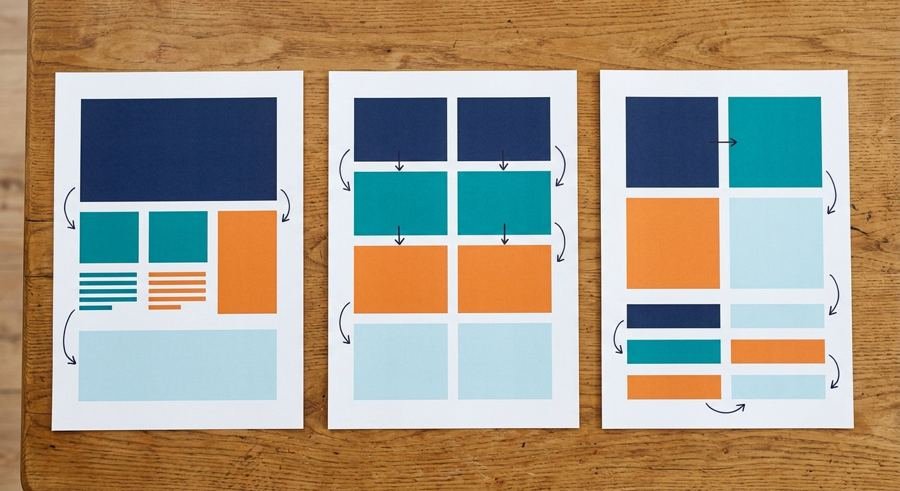
The written output matters more than the speed of the work. A brand that reads the plan can stop a module before design begins, and a change at the plan stage takes far less effort than a change after upload. For that reason the plan is the first document the brand signs off, not the design file.
Revisions are part of the plan. The brand reviews the set at two points, after the plan and again after the design, and each review is recorded with the change it asks for. A revision that changes a claim goes back through the claim check before upload.
Scope
What Does the Writing Cover, and What Does It Not?
A+ modules are this page's scope. Nearby work has its own page, and the links show where it sits.
In scope
- Module strategy by product type
- Module copy: headings, body text and callouts
- Module briefs and design files
- Upload-ready set with a render check
- Written compliance check before upload
Outside this service
Scope is set in the brief. If a brand asks for work outside the list, we say so in writing and point to the right service. We do not stretch the module scope to cover listing copy, storefront builds or campaigns.
At handover the brand receives the final module files, the copy document and the check record, in a form the brand can reuse with any agency or in-house team.
Compliance
How Is the Content Checked Before Upload?
Five checks run before anything reaches Seller Central. A check can send an item back for a fix or put it on hold.
-
Ready
Claim check
No unsupported number, ranking or result. Every statement has a source the brand holds.
-
Fix
Format check
Module type, size and order match the current Amazon format for the product's category.
-
Ready
Comparison check
Comparisons use the brand's own data. Rival products are never named.
-
Fix
Render check
The set is viewed on desktop and mobile before upload, and any cut-off text goes back to design.
-
Hold
Consent check
No client name, photo, quote or product image appears without written permission from the brand. Until permission is on file, the item waits on hold.
The chips show the type of result each check can return. They are examples, not a real listing. The check does not promise that Amazon accepts the content, because Amazon reviews submitted content and decides.
When a check fails, the item returns to the plan with a short note that names the check and the line in question. The brand decides whether to change the wording, drop the module or keep it on hold. Nothing goes to Seller Central until the brand has seen the final set and agreed to it in writing.
Each check leaves a short record: what was checked, what was found, and what changed. The record travels with the module set, so the brand can see why a line of copy reads the way it does.
Connected work
How Does A+ Connect to Listing, Store and Brand Registry Work?
Module copy is written from the same keyword work as the listing, so the page and the modules say the same thing.
Store templates sit with our store setup service. Module content, the subject of this page, is planned and written here. Launch-window planning is covered on our product launch page.
A+ modules rely on the same product facts as the listing. When the title, bullets or backend terms change, the module copy is checked again against them, so the page never says two different things. We ask for the listing and keyword records at the first call for that reason.
For brands with a storefront build under way, the module set and the storefront templates are planned together, so the two do not contradict each other on the page.
Before the call
What Do You Need to Send First?
Missing items do not stop the call. They go on the fix list, and the module plan says what is still needed.
- Current listing URLs for each product
- The ASIN list for the modules
- Product images you have rights to use
- Brand guidelines, colours and fonts
- Brand Registry status, and the trademark owner's name
- Product claims, with the evidence the brand holds
- Comparison points, described in the brand's own words
- The Seller Central user who will grant access
Send what you have. A partial set is enough to start the readiness step, and the fix list shows what is missing. Files can arrive in any order, and a finished brand guide is not needed to begin the plan.
Why GrowithAmazon
Why GrowithAmazon Writes A+ Content
Module content is written to be checked, not to make promises. Four commitments set how our Amazon A+ content writing services are delivered.

One written module plan
Agreed before design starts, so the brand can read and change it first.
Claims checked before upload
Every statement is checked against evidence the brand holds, before it goes to Seller Central.
Brand Registry checked first
Eligibility is confirmed before the plan is written, so no module is scoped beyond what the brand can publish.
No conversion or return promise
The page does not promise a conversion lift or a return result. We describe the work and the checks.
The commitments are kept narrow on purpose. They describe the work, the checks and the decisions the brand keeps. They do not describe results, because results depend on Amazon's review and on shopper behaviour that we do not control.
Our team plans and checks the modules. Amazon decides what it publishes, and the brand decides what it sends to Amazon. Those roles stay separate in every engagement, and the scope document says who holds each decision.
Questions
Frequently Asked Questions
The questions brands ask most often before they book an A+ Content review.
Do you promise approval or a conversion lift?
No. Amazon reviews submitted content and decides what it publishes. We do not promise a conversion lift or a return result, and no plan on this page should be read as one.
Do I need Brand Registry first?
For A+ Content, Amazon's current rule ties the feature to Brand Registry. We check your status first and give the enrollment steps to the trademark owner. Our guide to creating A+ content covers the module steps in more detail.
Can you create Premium A+?
Only if Amazon grants access to the brand. We cannot grant it or speed it up. The module plan notes which modules would move to the Premium frame if access is granted.
Do you write titles and bullets too?
No. Titles, bullets and backend terms sit with our listing page. A+ modules are this page's scope, and the module plan links to the other work where it applies.
How long does a module set take?
The written plan sets the date once the brief is in. Amazon's review time is outside our control, and the plan says so.
Do you use photos?
We design with images the brand has rights to use. Placeholder images are marked as placeholders until real images are supplied.
Do you need access to my account?
Access is granted by the seller, can be removed at any time, and the access log is shared with the brand.
What if Amazon does not accept a module?
We read Amazon's reason, revise the module, and resubmit within the agreed scope. Amazon decides each review.
Next step
Book the A+ Content Review
An A+ Content review checks eligibility and the product's claims, then sets the module plan in writing. The brand decides what goes ahead, and no result is promised.
Get an A+ Content ReviewWe plan and check. Amazon decides what it publishes.